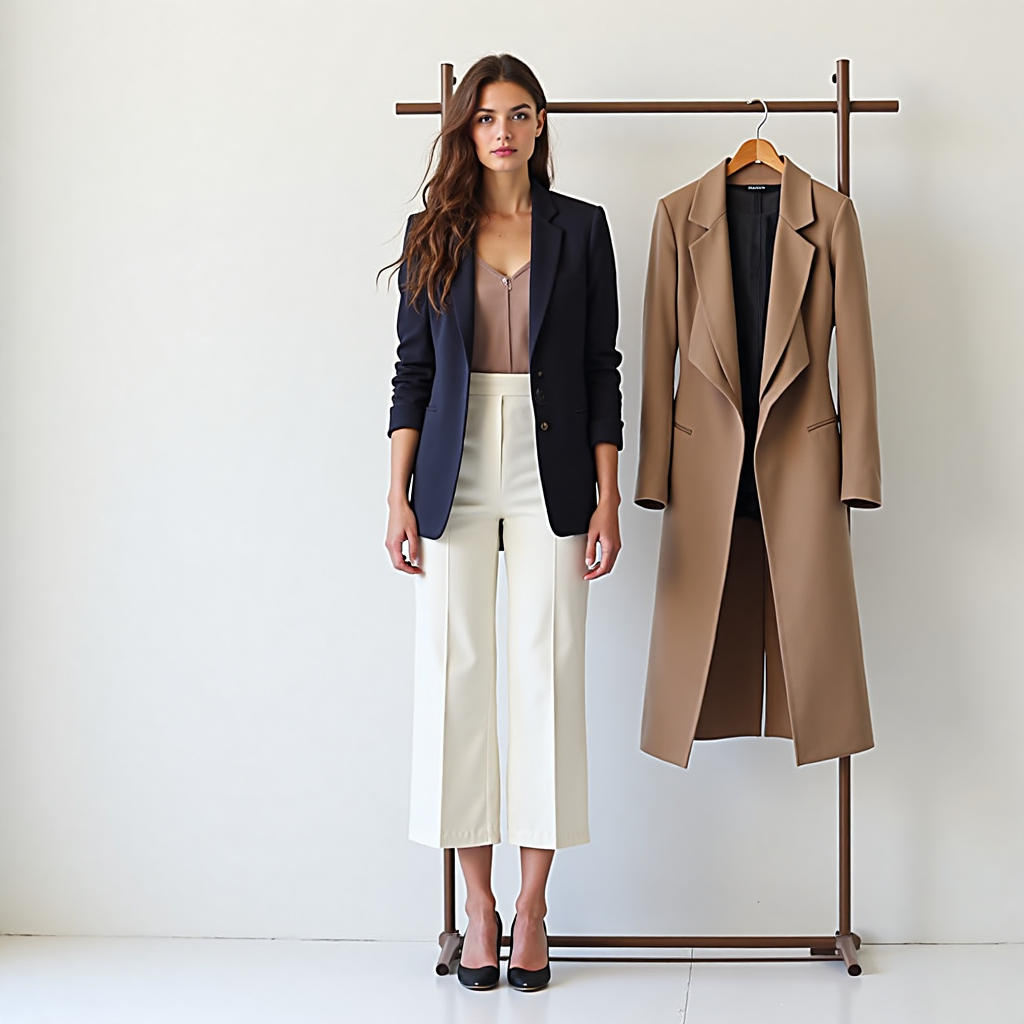
A polished work closet does not require racks of clothing. For many professional women, fewer carefully chosen pieces deliver more confidence, less morning stress, and outfits that hold up from meetings to evening plans. A minimalist wardrobe for working women is a deliberate set of durable, mixable items you can combine for nearly any office setting. The aim is to cut morning decision overload, spend more intentionally, and feel assured in what you put on. This guide covers the mindset, must-have items, and daily habits that help you build a lean professional wardrobe that fits your real life.
Today’s workplaces are rarely static. Dress expectations change, weather shifts, and a single day can move from presentations to casual drinks. A thoughtfully planned minimalist closet gives you range for those moments without the weight of overcrowded hangers. Rather than debating “what works today?” each morning, you can grab almost any pairing and trust it. That is what a well-built capsule wardrobe for professional women can do.
Why Minimalism Fits Professional Style
Capsule wardrobes stay popular in career-style conversations for reasons that go well past looking neat. When you own fewer items—and those items fit and coordinate—you reclaim minutes every morning. That time can go to breakfast, a short workout, or simply arriving without a scramble. Fewer choices also ease decision fatigue, the mental drain that comes from too many options before the day even starts. Limit your closet to pieces that already work together, and you save that energy for work that matters.
On the money side, minimalism pushes intentional spending. You stop chasing short-lived trends that wear out fast and instead put dollars into fewer, better-made garments. Over years, that often costs less because you replace less. You also sharpen your sense of style. When every item has to earn its hanger space, you learn which shapes, colors, and textiles make you feel strong. That clarity shows up as a steadier professional presence.
Minimalism also lines up with sustainability. Fashion is a major source of pollution worldwide. Buying less and choosing carefully lowers waste and your personal impact—something many working women want their spending to reflect. A compact, well-worn wardrobe is a quiet pushback against disposable fashion.
Guiding Rules for a Lean Work Closet
Before you purge hangers or draft a shopping list, lock in the rules that keep a minimalist wardrobe working. They help you avoid swapping one crowded closet for a smaller pile of the same problems.
1. Prefer Quality to Volume
This is the bedrock. One well-made wool blazer or solid silk blouse will outlast a stack of bargain versions. Better construction drapes cleaner, survives wear, and keeps its shape through washing. You can feel quality in fabric weight, stitching, and finish. The sticker price is higher, but the cost per wear usually drops. Favor natural fibers or strong performance blends that breathe and hold structure. Look for reinforced seams, real linings, and hardware that feels solid.
2. Fit Comes First
A pricey piece still looks cheap when the fit is wrong. In a minimalist closet, every item should sit comfortably and flatter your shape. That often means professional alterations on blazers, trousers, and dresses. A waist nip, a hem, or shorter sleeves can turn “fine” into “excellent.” Shop for your largest measurement and tailor the rest. Do not keep items that pinch, swim, or feel wrong just to stay “minimal.” If wearing it feels bad, it does not belong.
3. Versatility Is Required
Each piece should work in at least three outfit mixes. If something only pairs with one exact look, it is not pulling its weight. That does not mean every item must be plain—it means prioritize pieces that move between settings. A cashmere sweater might go over silk for a formal meeting, with tailored pants for a client visit, or with a skirt for dinner. Versatility is what makes a small closet actually usable.
4. Neutrals First, Color on Purpose
Minimalist closets lean on neutrals for a reason. Black, navy, gray, white, beige, and camel mix easily and read as professional. That does not mean zero color. Build a neutral base, then add a few accent shades that suit your skin and style so even bold pieces still play with the rest. A burgundy blouse will sit easily with navy, black, and beige pants if those neutrals are already your foundation.
Your Capsule Building Blocks
With the principles clear, here are the pieces that usually form the spine of a minimalist work wardrobe. They are chosen to unlock many outfits from a modest count. Aim for roughly 35 to 45 items across clothes, shoes, and coats. Climate and industry may shift that number, but it is a reliable starting range.
Tops
Tops carry much of your daily look. Favor clean shapes and fabrics that resist wrinkles and stay sharp after long hours.
- Silk or satin blouses: Two or three in ivory, navy, or black—core professional tops that dress up or down.
- Crisp button-downs: One white and one light blue; non-iron or easy-care cotton blends help.
- Fine-knit sweaters: Two or three in camel, gray, or black—cashmere, merino, or a strong cotton blend.
- Structured knit tops: A couple of polished shells or short sleeves for under blazers.
- Casual-professional tops: One or two heavier cotton or modal tees for Fridays or layering.
Bottoms
Bottoms ground every outfit. Stick to classic, flattering cuts and skip details that will look dated soon.
- Tailored trousers: Two pairs in black and navy or charcoal; straight or lightly tapered suits most shapes.
- Versatile skirt: One neutral pencil or midi in black, navy, or gray for most offices.
- Everyday pants: One well-fitted dark jean or ponte option for business casual days.
- Optional culottes or wide-legs: One neutral pair if the cut fits your style and workplace.
Outerwear and Layers
Strong layers finish the look and keep you polished in poor weather.
- Structured blazers: One black and one navy or beige—instant polish for almost any outfit.
- Classic trench: Beige or camel works for rain and cool days and rarely goes out of style.
- Wool overcoat: One solid coat in black, navy, or camel for colder seasons.
- Cardigan or wrap: One longline neutral for layering over tops and dresses.
Dresses and Suits
Dresses are quiet heroes in a lean work closet—one piece, little styling, always put together.
- Little black dress: One professional black dress for meetings, presentations, and after-work plans.
- Shift or wrap dresses: One or two more in navy, burgundy, or a subtle pattern that flatters you.
- Optional suit set: For formal offices, a matching blazer with trousers or a skirt in a neutral is a smart buy.
Building a Color System That Mixes
A cohesive palette is what makes a small wardrobe feel abundant. When colors relate, outfit combinations multiply. Begin with two or three core neutrals such as black, navy, and beige. Add one or two lighter neutrals—white, cream, or soft gray—for tops. Then pick one or two accents you love that flatter your skin: burgundy, forest green, dusty blue, or terracotta all work well professionally.
Once the palette is set, shop inside it. That stops you from bringing home something pretty that matches nothing. Mornings get easier because nearly every combo already coordinates. If you like pattern, stick to one or two classics—soft stripes, small dots, or timeless plaid—in your palette colors. Skip oversized, loud prints that are hard to mix.
Accessories That Add Personality Without Clutter
Accessories let you show personality without filling the closet. A few strong pieces can shift an outfit’s mood and keep looks fresh. They store easily and cost less to refresh than full garments.
Invest in a quality leather handbag in black, tan, or navy. A structured tote or satchel that holds a laptop and daily essentials is a work staple. For jewelry, keep a short list of everyday pieces: small gold or silver hoops, a delicate necklace, and a classic watch—polish without distraction. A silk scarf in an accent color can go at the neck, on the shoulders, or on the bag. A slim belt that matches shoes or bag helps define the waist and unify the look.
Shoes That Balance Comfort and Polish
Footwear can elevate or undermine both your look and your comfort. A lean work wardrobe needs a few strong, wearable pairs that cover professional needs. Do not trade comfort for style; many elegant options hold up through a full day.
- Classic black pumps: One pair with a moderate heel for meetings and formal days.
- Comfortable flats or loafers: One pair in black, navy, or tan for long standing days.
- Dressy ankle boots: One pair in black or brown for cooler weather and business casual.
- Neutral heeled sandals: One pair for warmer months if open toes are allowed.
When you shop, look for leather or solid synthetics, cushioned insoles, and soles with grip. Rotate pairs so they can air out and keep their shape. Use shoe trees on leather to reduce creasing. A small, well-maintained shoe lineup beats a pile of cheap, painful options.
Season Changes Without a Full Closet Swap
People often worry seasonal shifts will break a minimalist system. The fix is a four-season capsule: add or remove a few pieces rather than replacing everything. Core items—blazers, trousers, blouses, dresses—should work year-round with the right layers.
Spring and Summer
Lean into lighter fabrics: cotton, linen, and silk blends. Swap heavy knits for short sleeves and breathable dresses. Keep blazers for cold offices and formal meetings. Choose lighter shoes such as loafers or heeled sandals. Store winter coats and boots clean and ready for cooler weather.
Fall and Winter
Layering does the heavy lifting. Add fine-knit sweaters, wool trousers, and a strong overcoat. Darker tones and denser fabrics feel right for the season. Add dressy ankle boots and, if needed, lined leather gloves. You do not need a separate winter closet—warm layers under and over your core pieces are enough.
Rotating a small set of seasonal items keeps the closet lean while covering weather, and seasonal change feels refreshing instead of chaotic.
Smart Shopping Habits That Protect the Capsule
Building the wardrobe is step one. Keeping it lean takes mindful buying and regular check-ins. Without those habits, clutter creeps back.
The One-In-One-Out Rule
A simple maintenance rule is one in, one out. When you buy something new, remove one existing piece. That forces a real comparison: is the new item better than what you already own? It also keeps your piece count steady. If you cannot let go of the old item, you probably do not need the new one.
Yearly Closet Review
Once or twice a year, empty the closet and review each piece. Does it still fit? Is it in good shape? Does it match your current style? Have you worn it in the past year? If not, let it go—donate, sell, or recycle. Audits keep the wardrobe current and stop unused items from taking space.
Care and Simple Repairs
Care is what makes a small wardrobe last. Follow labels, wash delicates gently or by hand, and line dry when you can. Fold knits instead of hanging them so they do not stretch. Use hangers that support blazers and coats. Fix loose buttons, fallen hems, and small tears quickly. A well-made, well-kept garment can last years and cut how often you replace things.
Pitfalls That Derail Minimalist Closets
Even with clear goals, it is easy to slip. Knowing common mistakes helps you stay on course.
- Settling for “almost” pieces: If it is not quite right or the fit is off, it will hang unused.
- Chasing trends over personal style: Trends fade; build on timeless shapes and colors that flatter you.
- Ignoring comfort: An outfit you cannot wait to remove is not a win—prioritize fabric, fit, and shoes you can live in.
- Trying to reset overnight: You do not need a total purge. Swap weak items for stronger ones as your budget allows.
- Skipping alterations: Small tailor fixes can transform a garment—do not underestimate that leverage.
Conclusion
A minimalist wardrobe for working women is not about restriction or one outfit on repeat. It is about choosing so carefully that every piece is something you like, that fits, and that works with the rest. Quality, versatility, and a coherent palette can simplify mornings, lower stress, and help you show up polished and confident.
This is ongoing work, not a weekend project. Begin with core pieces, notice what makes you feel capable and comfortable, and release what no longer helps. You end up with a professional wardrobe that supports your career and your life—and frees attention for what matters. With less clutter and more intention, a full closet that somehow offers “nothing to wear” becomes a thing of the past.