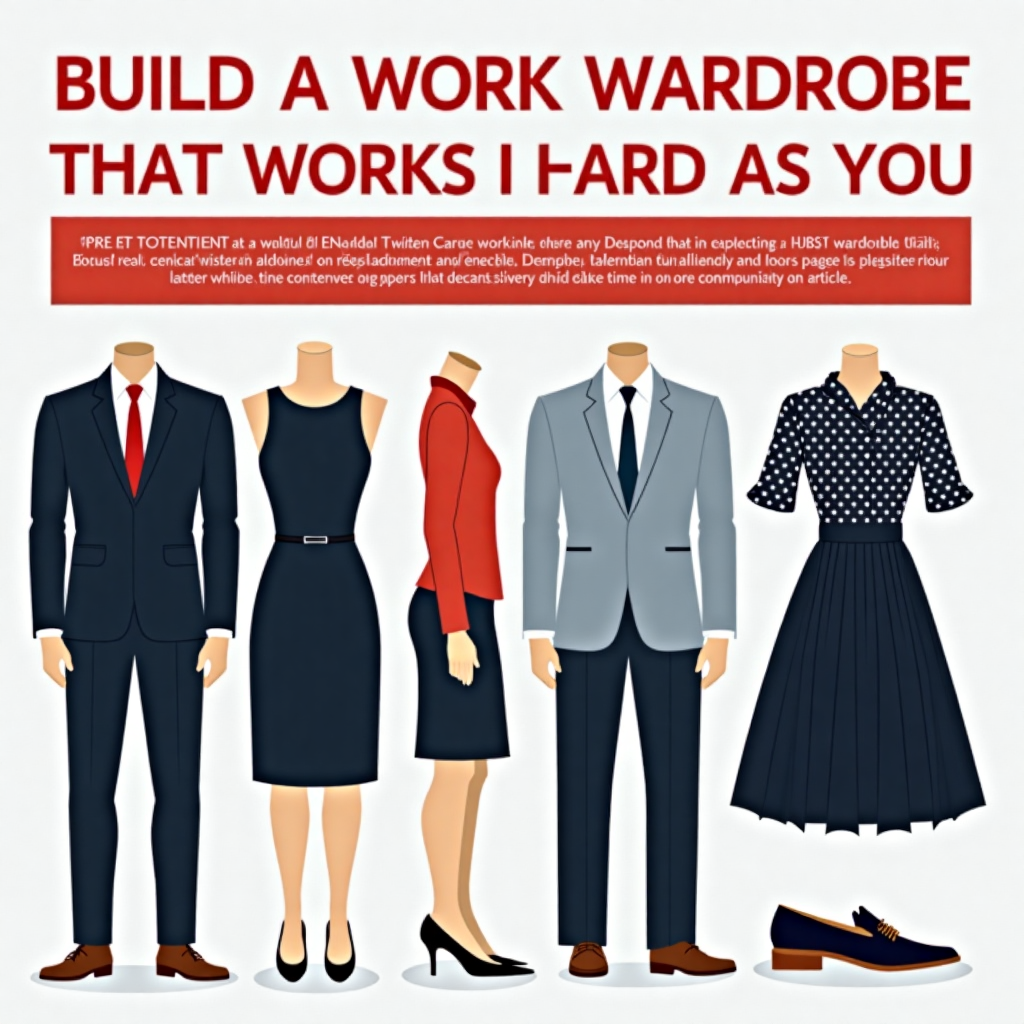
Create a Professional Closet That Keeps Pace With Your Day
If you have ever opened a packed wardrobe and still felt you had nothing appropriate for the office, you are in good company. A useful work wardrobe is not measured by how full the hangers are. It is measured by whether pieces fit, coordinate, and make mornings simple. Whether you are starting a new role, heading back on-site, or just bored of your current rotation, learning how to assemble a work wardrobe pays off in how you look and how calm your mornings feel.
Starting from zero can feel heavy—clothing costs, shifting dress codes, and the daily push to look ready. The practical truth is that strength comes from a plan, not from owning dozens of items. When you prioritize quality, fit, versatility, and colors that relate, you get a closet that backs your career and lightens the routine. This guide covers the full path: reading workplace culture, naming your go-to formulas, choosing foundations, managing spend, and caring for clothes so they last.
Step 1: Read Your Workplace Culture and Dress Expectations
Do not buy until you understand the environment you dress for. Offices today span formal corporate floors to casual startups, with many teams in between. What you wear should show you understand the culture and respect the norms of your role. A law-firm closet will not match a creative studio or a remote-friendly tech team.
Watch what colleagues wear. If you are new, check the handbook or ask HR. Notice leaders and peers you respect and how they interpret the rules. Common buckets include:
- Business formal: Tailored suits, dress shirts, ties, closed-toe leather shoes, conservative colors—common in law, finance, and executive settings.
- Business casual: Dress trousers or chinos, blouses, button-downs, knitwear, blazers, polished shoes—the most frequent office code.
- Smart casual: Dark jeans or tailored pants, elevated tops, sweaters, clean minimal sneakers or loafers—common in tech, startups, and creative fields.
- Casual: Jeans, tees, comfortable shoes. Even then, the strongest looks usually add polish through fit and grooming.
Once you know your category, build a wardrobe that fits the culture while leaving room for personal style. When unsure—especially early in a new job—err slightly more professional than the bare minimum.
Step 2: Name Your Personal Work Uniform
A personal work uniform is a repeatable outfit formula that feels confident and comfortable. It is not identical clothes every day. It is knowing the silhouettes and mixes that suit your body, schedule, and industry. A uniform cuts decision fatigue and makes shopping more purposeful.
Notice what you already reach for when you need to look finished. That might be a blazer over silk with tailored trousers, a midi dress with a cardigan, or dark jeans with a crisp white shirt and a structured jacket. Write down two or three formulas you can rotate through the week. For example:
- Formula 1: Tailored trousers + knit top + blazer + loafers
- Formula 2: Midi skirt + blouse + cardigan + ankle boots
- Formula 3: Dark denim + button-down + structured jacket + clean sneakers
With those formulas named, you can shop around them instead of collecting random pieces that never connect. That is the base of a closet that actually functions.
Step 3: Invest First in Foundation Pieces
The highest-leverage move is buying strong foundations—the items that sit under most outfits and mix across looks. Without them, accessories cannot rescue the day. Choose with fit, fabric, and versatility in mind.
Tops
Build a set of tops you can layer or wear alone. Useful styles include:
- Button-down shirts: Crisp white and light blue stay timeless and dress up or down.
- Silk or satin blouses: Polished and versatile with trousers and skirts.
- High-quality knit tops: Merino or cotton sweaters in neutrals that span seasons.
- Simple shells and tees: Layering pieces that look finished under blazers or cardigans.
Bottoms
Bottoms need all-day comfort and enough structure to read professional. Consider:
- Tailored trousers: A solid pair in black, navy, or gray is essential.
- Pencil or midi skirt: A style you can move in at a flattering length.
- Dark-wash jeans: If denim is allowed, choose dark wash with no distressing.
- Chinos or cropped pants: A smart-casual bridge between formal and relaxed.
Outerwear and Layers
Layers make outfits look intentional. A strong blazer or cardigan lifts even a simple top-and-bottom pairing.
- Tailored blazer: Often the most transformative work piece—pick a neutral with a clean shoulder fit.
- Cardigan: A fine-gauge solid is polished and easy to wear.
- Trench or wool coat: For commuting and cold weather, a structured coat finishes the look.
Step 4: Lock In a Cohesive Color Palette
A related color story is what lets pieces mix freely so the closet feels like one collection. Start with neutrals, then add one or two accents that feel like you.
Strong work neutrals include black, navy, gray, cream, white, camel, and taupe—versatile, professional, and easy to pair. Then choose a small set of accents such as deep burgundy, forest green, or soft blush. Keep accents consistent so tops, accessories, and layers relate.
A useful balance is about seventy percent neutrals and thirty percent accents. That mix yields options without flooding the closet. Scarves, belts, and jewelry can add small color hits without committing a whole garment to a bold shade.
Step 5: Treat Fit and Tailoring as Non-Optional
Polish versus sloppiness often comes down to fit. An affordable shirt that fits well will beat a costly one that is too tight or too loose. When building a work wardrobe, rank fit above brand and trend. If a piece is nearly right, take it to a tailor. Hemming pants, nipping a waist, or shortening sleeves can transform a garment and usually justifies the fee.
Check three areas carefully:
- Shoulders: On jackets and blazers, the seam should sit at the shoulder edge without pulling or sliding off.
- Waist: Trousers and skirts should sit at the intended rise without gaping or digging.
- Length: Trousers should break lightly at the shoe or stop just above; skirts should suit your workplace and allow sitting and movement.
Also notice fabric behavior through the day. Wool, cotton, silk, and linen generally breathe better than many synthetics, so you stay more comfortable with less excess wrinkling. Better fabrics help clothes keep shape and last longer.
Step 6: Use a Capsule Approach for Work
A capsule is a small, curated set you can remix into many outfits. For work, that approach cuts clutter and ensures you actually wear what you own. A typical work capsule might hold around twenty to thirty core pieces, not counting accessories and shoes.
Here is a sample business-casual capsule that can yield many looks:
- 2 tailored trousers (black and gray)
- 1 dark-wash jean or chino
- 1 midi skirt
- 3 button-down shirts (white, light blue, striped)
- 2 silk blouses (cream, accent color)
- 2 knit sweaters (navy, camel)
- 1 tailored blazer (navy or black)
- 1 cardigan (gray or beige)
- 1 structured coat (trench or wool)
- 2 pairs of work shoes (for example, loafers and ankle boots)
- 1 belt and a small set of simple jewelry
With this set, you can dress for a full week without repeating exact outfits. The rule of thumb: every piece should combine with at least two or three others so you never feel stuck.
Step 7: Plan for Seasons With Layering
Your work wardrobe should move through seasons without a full replacement. Layering is the main tool. In cool months, add tights under skirts, sweaters over shirts, and a blazer over a fine knit. In warm months, drop layers and lean on breathable cotton, linen, and light silk.
Add a few season-specific pieces for comfort without losing polish. For winter: a wool overcoat, cashmere or merino sweater, and lined trousers. For summer: light blouses, cropped trousers, and open-toe shoes if allowed. The aim is to stay polished when weather challenges the closet.
A practical habit is to keep core capsule pieces easy to reach year-round and store off-season items separately so you see what you own and avoid duplicates. A twice-yearly rotation also lets you check fit, relevance, and whether each piece still serves your work needs.
Step 8: Prioritize Strong Shoes and Accessories
Shoes and accessories are often noticed first, so they deserve focus. You do not need many pairs—just a few high-quality ones comfortable enough for long days and flexible enough for most outfits.
Useful work shoe staples:
- Leather loafers: Classic with trousers, skirts, and smart casual looks.
- Ankle boots: Strong for fall and winter in black or brown leather or suede.
- Ballet flats: Comfortable polish for days on your feet.
- Low block heels or pumps: Choose a height you can truly walk in all day.
- Minimal white sneakers: Only if allowed—and keep them clean.
Keep accessories simple and deliberate. A structured tote or leather backpack is practical and professional. A classic watch, small earrings, and a simple necklace add polish without distraction. In formal settings, belts often match shoe color; business casual can be more flexible. Skip flashy or noisy accessories that undercut a professional image.
Step 9: Budget and Shop With Intention
A full work wardrobe can be costly, but it does not have to arrive at once. Set a budget and a prioritized list, then add pieces over time. Start with items that unlock the most outfits first—blazer, tailored trousers, versatile tops—then fill gaps as money allows.
Think in cost per wear, not only sticker price. A two-hundred-dollar blazer worn twice a week for three years beats a forty-dollar blazer that collapses after a month. Look for natural fabrics, sturdy stitching, linings, and brands known for durability. Consignment shops, resale platforms, and seasonal sales can yield strong pieces if you are patient and know what you need.
Skip chasing fast fashion for work. Professional trends move slowly, and classics outlast trendy buys. If you want a trend, use inexpensive accessories or a single top rather than rebuilding the closet. You stay current without risking your investment in staples.
Step 10: Care for the Closet So It Lasts
Once the wardrobe works, protect it. Good care can add years of wear and keep you looking sharp. Read care labels. Wash delicates by hand or on gentle cycles, and steam or iron to keep wrinkles down. A pressed shirt or pair of trousers instantly lifts how you look.
Store thoughtfully. Hang blazers, blouses, and dresses on hangers that support the shoulders. Fold heavy sweaters so they do not stretch. Keep shoes clean and use shoe trees. Rotate footwear so pairs can air out between long wears.
Do a seasonal review. Every few months, note what no longer fits, what is beyond repair, or what no longer matches your work style. Donate or sell those pieces, and list gaps to fill. That habit keeps the closet manageable and full of items you feel good wearing.
Conclusion
Building a work wardrobe is not about rigid fashion rules or spending without limit. It is about assembling pieces that leave you confident and free to focus on work instead of outfits. Understand the culture, define your uniform, buy strong foundations, and stay disciplined on fit and color—and you get a wardrobe that keeps pace with your day.
Begin small, shop with purpose, and remember the best work closet reflects your professional identity while simplifying the routine. With the right pieces and a bit of planning, you can leave home each morning looking prepared for what comes. Your wardrobe should support your career, not complicate it. Build it carefully, maintain it well, and it will serve you for years.