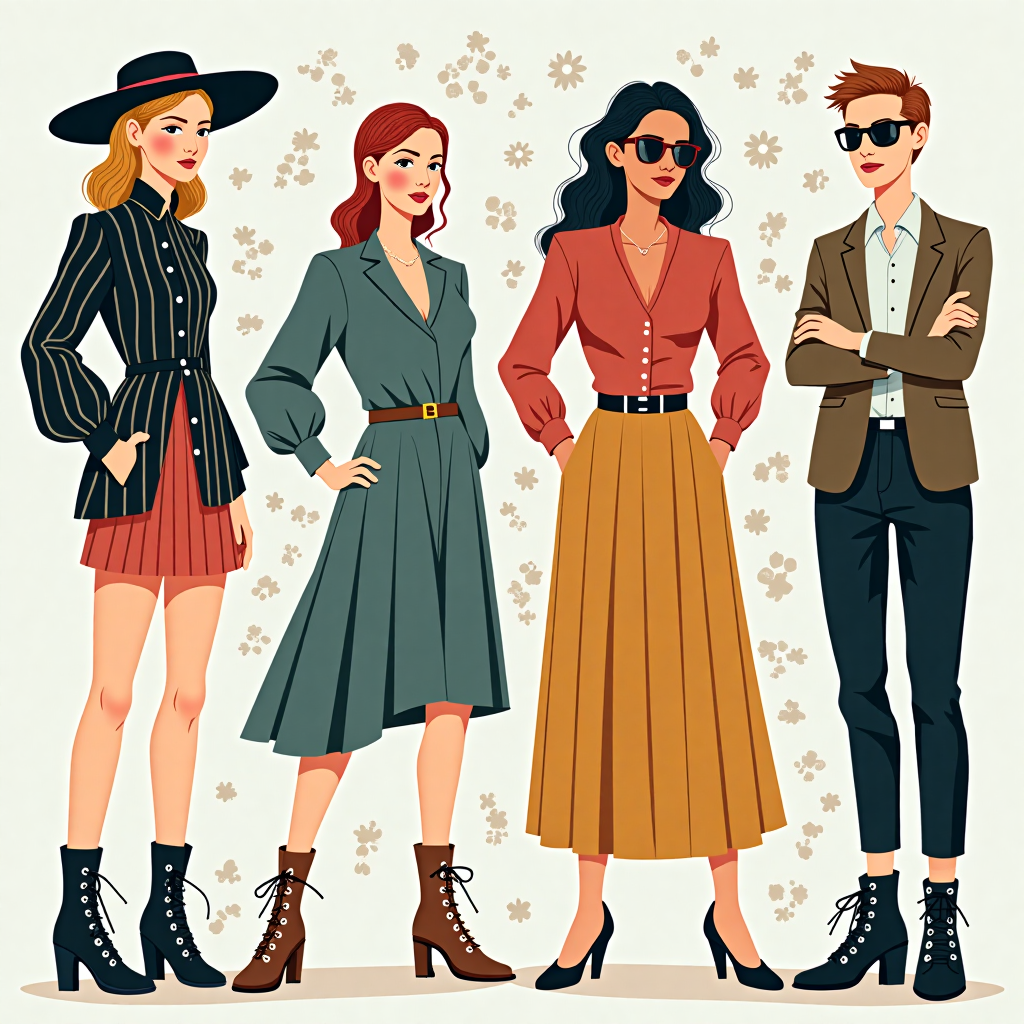
For a long time, “sustainable fashion” meant spare linen looks with price tags in the hundreds, sold mainly in small boutiques or limited online releases. Everyday shoppers who wanted better choices without emptying their accounts felt shut out. That picture has changed. A growing set of sustainable fashion brands that aren’t expensive shows that ethical production, solid materials, and reachable prices can sit together. These labels cut needless markups, use lower-impact fabrics, and design for more than one season of wear.
Affordable sustainable fashion is not the same as disposable fast fashion. It means a fair price for clothing made carefully, with materials that are gentler on the environment, and with workers paid fairly. When you move from “lowest possible price” to “real cost per wear,” accessible ethical clothing becomes both reachable and smart with money. A $45 organic cotton tee that lasts five years costs less overall than a $12 shirt that loses shape after three washes and ends up in landfill.
This guide covers what makes a brand meaningfully sustainable, how to shop carefully on a budget, and a detailed list of labels that offer ethical clothing at prices that feel manageable. Whether you need basics, activewear, or a dress that covers office and weekend, options exist that match values and budget. Progress beats perfection—and with the brands below, progress costs less than it used to.
Why Affordable and Sustainable No Longer Cancel Each Other Out
For years, ethics and price seemed stuck in opposition. Sustainable brands said bargain clothing only worked through exploitation; budget shoppers said they could not pay premium prices for every staple. Both sides had a point. Fast fashion kept tags artificially low by pushing costs onto labor, toxic dyes, synthetics, and waste. Truly sustainable fashion often used smaller runs, organic certifications, and fair-trade premiums that raised retail prices.
What shifted is direct-to-consumer selling. Skipping traditional retail markups lets brands offer high-quality sustainable clothing for less. Instead of a $90 organic cotton sweater marked up to $220 in a department store, the same sweater can sell online for $75. Labels like Pact, Kotn, and Quince built their models on that idea. They partner closely with factories, order thoughtfully, and pass savings to customers. The result is a larger market of budget-friendly sustainable fashion that still holds to ethics and design.
Demand has also pushed bigger retailers toward more responsible lines at reachable prices. Organic cotton, TENCEL™ lyocell, and recycled polyester are more available and less costly to produce than before. Scale has lowered costs across the industry. Sustainable fashion may never match ultra-fast fashion’s floor prices, but the gap has narrowed a lot. You can now build a conscious wardrobe on roughly the same budget as mid-range high-street shopping—especially if you buy with care and stick to pieces you truly want.
How to Spot a Truly Budget-Friendly Sustainable Brand
Not every “green” or “conscious” label is sustainable. Greenwashing—marketing that overstates eco credentials—is common. To find real affordable sustainable fashion, look past slogans. A low price does not prove a bad product, and a high price does not prove a good one. Ask whether the brand is open about supply chain, materials, and labor.
Certifications and Standards
Third-party certifications are one of the clearest ways to check claims. Independent standards create accountability and confidence that your money supports better practices. On brand sites, watch for:
- GOTS (Global Organic Textile Standard): Covers organic fiber processing, fair labor, and strict environmental criteria.
- Fair Trade Certified: Confirms fair wages, safer conditions, and community development funds.
- OEKO-TEX Standard 100: Confirms textiles are free from harmful substances—safer for you and the environment.
- B Corp Certification: Shows strong social and environmental performance, accountability, and transparency.
- Climate Neutral Certified: Confirms a brand measures, offsets, and reduces its carbon footprint.
Materials That Are Kinder and Last Longer
Fabric composition is a strong signal of both sustainability and long-term value. Affordable sustainable brands often use materials that are durable, renewable, and lower impact. Common options include:
- Organic cotton: Grown without harmful pesticides or synthetic fertilizers, typically with less water than conventional cotton.
- TENCEL™ lyocell: Made from sustainably harvested wood pulp in a closed-loop process that recycles water and solvents.
- Recycled polyester: Made from post-consumer plastic bottles, keeping waste out of landfills and reducing virgin petroleum use.
- Hemp: Grows fast with little water and no synthetic pesticides; yields strong, breathable fabric.
- Linen: From flax; biodegradable, naturally pest-resistant, and softer with each wash.
Transparent Pricing
Brands serious about affordability and ethics often publish cost breakdowns—materials, labor, transport, overhead, and how that becomes the retail price. That openness is rare in conventional fashion, where markups can run 5 to 10 times production cost. When a brand explains pricing, you are more likely paying for value than hype. Prefer companies that name factory partners, share worker stories, and explain why a garment costs what it does.
11 Ethical Fashion Brands That Stay Within Reach
Here is a curated list of brands that regularly offer ethical clothing at accessible prices. “Affordable” is relative, but these labels generally keep most items under $100, with many basics in the $20 to $60 range. Each was chosen for sustainability commitment, quality, and transparent practices.
1. Pact
Pact is a go-to for affordable organic cotton basics—tees, underwear, leggings, and sleepwear—made from GOTS-certified organic cotton in Fair Trade Certified factories. Prices stay grounded: think $20 tees, $30 leggings, and underwear multi-packs under $40. Sales and bundles make stocking up easier. The fit is comfortable and classic, so pieces work as foundations rather than one-season trends.
2. Everlane
Everlane is known for “Radical Transparency,” showing the true cost of each item. Not every piece is budget-level, but basics are competitive. Organic cotton tees start around $30, denim around $80, and cashmere sweaters—once luxury-only—start near $100. Everlane works with ethical factories and has grown organic cotton, recycled materials, and lower-impact denim. It suits sharp, minimalist pieces that move from work to weekend.
3. tentree
tentree pairs earth-friendlier materials with a clear pledge: ten trees planted for every item sold. The brand makes casual wear for men and women—sweatshirts, joggers, dresses, and outerwear—often from organic cotton, TENCEL™, hemp, or recycled polyester. Prices often run from about $30 for tees to $90 for hoodies and jackets. Climate Neutral Certified and B Corp Certified, tentree is a solid pick for affordable, planet-positive clothes.
4. Kotn
Kotn focuses on elevated basics in Egyptian cotton sourced from farming families in the Nile Delta—timeless tees, henleys, dresses, and loungewear with quality and supply-chain openness. Prices stay reachable: tees around $30, sweatshirts under $80. Kotn also invests in education and infrastructure in farming communities, so purchases support a wider social mission. Fabrics often feel more luxurious than the price suggests.
5. Boody
Boody, an Australian brand, is known for soft essentials in organically grown bamboo viscose—underwear, bras, socks, activewear, and loungewear. Bamboo uses far less water than cotton and grows quickly without pesticides. Prices are strongly budget-friendly: underwear often around $12 to $18, leggings or tops typically under $40. If comfort and cost matter most, Boody is a strong sustainable option.
6. Organic Basics
Organic Basics delivers on its name with underwear, socks, tees, and activewear in organic cotton and recycled materials. The brand stresses lasting construction and simple, timeless design. Prices are moderate, with many items between $20 and $70. Multi-pack discounts can lower per-piece cost further. Ethical factories and lower-impact production make it a dependable source for sustainable staples.
7. For Days
For Days takes a circular path: organic cotton basics plus a take-back program. When clothes wear out, you can return them for recycling into new fabric and earn credits toward future buys. That loop cuts waste and keeps clothing out of landfill. Prices are accessible—tees and tops from around $30, loungewear under $100. For Days suits shoppers who want lower impact without giving up style or affordability.
8. Quince
Quince is known for luxury materials—cashmere, silk, linen, organic cotton—at sharply lower prices by cutting middlemen and working directly with factories. A cashmere sweater that might run $150 elsewhere is often under $60 at Quince. Not every item is sustainable, but eco options have grown: organic cotton, recycled cashmere, washable silk. Quince is a smart stop for affordable elevated basics.
9. Prana
Prana has long led in sustainable outdoor and lifestyle clothing, using organic cotton, recycled wool, and hemp, and partnering as Fair Trade Certified. Full-price pieces can land in the $80 to $120 range, but frequent sales turn up strong deals on durable pants, tops, and jackets. Clothes are built to last—popular with hikers, travelers, and anyone who wants versatile, comfortable pieces.
10. Girlfriend Collective
Girlfriend Collective is a go-to for sustainable activewear that stays relatively affordable. It uses recycled materials—including plastic bottles and fishing nets—for leggings, sports bras, and tops. Signature compressive leggings are around $68, competitive with many premium activewear brands. The brand is size-inclusive and committed to ethical manufacturing. Pieces hold up through many workouts and washes.
11. LA Relaxed
LA Relaxed makes easy, California-leaning clothes from organic cotton, TENCEL™, and linen. Relaxed silhouettes favor comfort and layering. Prices stay reachable: tanks from around $30, dresses or jumpsuits often $70 to $100. Small-batch production in Los Angeles helps reduce waste and support local garment workers. A strong pick for breezy everyday pieces that feel as good as they look.
Finding Affordable Sustainable Style Beyond New Brand Collections
The brands above make conscious shopping easier, but some of the most affordable sustainable fashion is not new at all. Secondhand, swaps, and rentals lower impact while keeping spend low. The most sustainable garment is often the one that already exists.
Thrift and Consignment
Local thrift stores, consignment shops, and vintage spots are rich sources of affordable fashion. Buying used extends a garment’s life and keeps it out of waste. Thrift shopping also lets you try styles without premium prices. Patience helps, and finding a strong wool coat or silk dress for a few dollars is hard to beat. Many thrift shops also fund charitable work, adding another positive layer to the purchase.
Online Resale Platforms
Prefer shopping online? Resale platforms offer gently used sustainable brands at steep discounts. Popular options include:
- ThredUp: A large online thrift store with thousands of budget-friendly items and a “sustainable brands” filter.
- Poshmark: Peer-to-peer buying with room to negotiate, from basics to designer.
- Depop: Popular with younger shoppers for vintage and unique finds, often at low prices.
- Vinted: Community-driven buying and selling of secondhand clothes without high fees.
- The RealReal: For higher-end sustainable and designer pieces—prices vary, and deals appear.
Clothing Swaps and Rentals
Swaps are an underrated way to refresh a wardrobe for free. Gather friends, family, or coworkers and trade what you no longer wear. Communities often host larger swaps with wide selection and no cost. Rentals are not always cheapest for daily wear, but they shine for special occasions: rent a dress you would wear once for a fraction of retail, then return it for someone else to use.
Building a Sustainable Closet Without a Big Budget
You do not need a full overhaul or a large budget. Often the most sustainable move is wearing what you own and buying only when needed. When you do buy, prioritize quality, versatility, and long-term value. A small set of well-made pieces beats a closet packed with garments that fail quickly.
- Buy fewer, better things: Skip five average tops; save for one or two high-quality pieces you love.
- Focus on cost per wear: A $60 dress worn 60 times is $1 per wear; a $20 dress worn twice is $10 per wear.
- Care for garments properly: Cold wash, air dry when possible, and follow care labels to extend life.
- Learn basic repairs: A button, a small tear, or a patch can add years.
- Choose versatile colors and styles: Neutrals and classic silhouettes mix more easily, so you need fewer items.
Myths About Sustainable Fashion and Price
Even as affordable options grow, myths about cost still discourage people from exploring ethical choices. It helps to address them directly.
Myth: Sustainable fashion is always expensive
This is the most common myth. Some sustainable brands are pricey; many are not. The brands above show organic cotton tees, recycled activewear, and ethically made basics well under $100. Direct-to-consumer models, efficient production, and scaled materials have lowered prices. Sustainable fashion is no longer only for the wealthy—it is for anyone willing to look past traditional retail markups.
Myth: Cheap sustainable clothes don’t last
Low price is not the same as low quality. Many affordable sustainable brands design for durability because longevity is part of sustainability. A well-made $40 organic cotton shirt can outlast several $10 fast-fashion versions. Check fabric quality, stitching, and care instructions. Ethical brands often design for longevity because their reputation depends on clothes people want to keep.
Myth: You have to replace your whole wardrobe
No one needs to discard everything and rebuild with sustainable brands. The most sustainable act is wearing what you already have. Transition slowly: replace worn-out items with more responsible ones. Over time, the wardrobe becomes more sustainable without a huge upfront spend. That gradual path is financially and environmentally sound.
Conclusion
Sustainable fashion is no longer limited to luxury boutiques or influencers with unlimited budgets. Direct-to-consumer brands, lower-impact fabrics, and circular models have made ethical clothing more reachable than ever. Labels like Pact, Kotn, Girlfriend Collective, and Quince show you can dress well, support fair labor, and lower environmental impact without spending a fortune. The old claim that sustainable fashion is always too expensive no longer holds.
True sustainability is still not about buying a perfect new closet. It is intentional purchases, care for what you own, and recognizing that the most affordable, sustainable garment is often already in your wardrobe. When you need something new, choose carefully: transparent supply chains, durable materials, timeless design. Keep secondhand shopping, swaps, and repairs in your routine.
With today’s options, you can build a stylish, ethical, budget-friendly wardrobe one thoughtful piece at a time. Sustainable fashion that is not expensive is not wishful thinking—it is a growing reality. Your budget, your closet, and the planet all gain.